
Simplex Services

Day: October 6, 2025

Digital workplace

3 pro tips to get more out of Microsoft Teams meetings

Microsoft Teams has seen a whopping 134% increase in daily active users since March 2020 as businesses across the world have been forced to transition to remote working. This has resulted in the number of Microsoft Teams virtual meetings taking place increased exponentially. Whether you’re a newcomer to Teams or


Read More »
Digital workplace

[SimpleXConnect] Making technology ready for redefining workplaces

Last year, we started SimpleXConnect, an initiative to bring the best minds in the industry together to understand the challenges, solutions, and innovations leading up to the next level of technology. We hosted a successful inaugural event in London, with thought-provoking sessions from an illustrious panel. This year, we took

Read More »
Digital workplace

Microsoft 365 migration: A step-by-step adoption plan

Many businesses across the world are embracing cloud-based services, with thousands enjoying the productivity, efficiency, and cost benefits of using Microsoft 365 (previously, Office 365). But many organisations, particularly SMBs, can be nervous about moving to the cloud. However, advising them with a simple set of step-by-step guidelines can help

Read More »
Digital workplace

Building Business Continuity with a Hybrid Workplace

According to a recent McKinsey survey of 100 executives across industries and geographies, nine out of ten organisations will be combining remote and on-site working in the post-pandemic future. The survey confirms that productivity and customer satisfaction have increased during the pandemic. However, despite the embrace of a hybrid model, most organizations

Read More »
Digital workplace

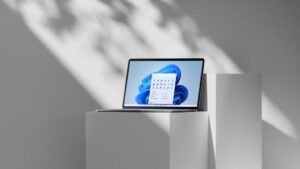
Windows 11: A guidance for IT professionals

Microsoft recently unveiled the next generation of Windows. Windows 11 includes new capabilities designed to support hybrid work and the needs of today’s commercial organisations. While the new version includes a visual refresh and new capabilities for end users and commercial organisations, there’s new value for IT too – from the

Read More »
Digital workplace

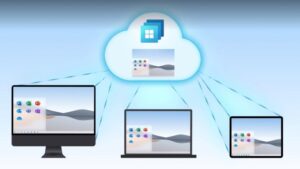
Is Windows 365 the right option for your hybrid work needs?

Windows 365 is Microsoft’s complete software-as-a-service (SaaS) solution, streaming a personalised Windows experience – apps, content, and settings – to any device. With per-user, per-month pricing, Windows 365 is offered via Business (300 seat cap) and Enterprise plans. Windows 365 is for organisations of all sizes that need secure and

Read More »
Digital workplace

Hybrid work model is no longer a theory, but a strategic move

Hybrid working maybe be a relatively new buzzword piggybacking on the lockdowns necessitated by the pandemic. But, with today’s sky-high costs for office locations, less rigidly defined workplace environments are becoming very commonplace, and the use of hot-desking was growing even before COVID-19. And flexible working isn’t just the ‘where’; many

Read More »
Digital workplace

Microsoft Teams can bring teams together wherever they work

The modern workplace is everywhere. In the office. Out of the office. On the road. An increasing number of employees in the UK work remotely at least some of the time. Plus, today’s teams are made up of diverse groups of employees and suppliers. Flexible work options pay big benefits

Read More »
Digital workplace

Enabling business transformation with our Digital Workplace offerings

Digital Workplace is a modern, flexible version of the traditional workplace. It is characterized by the consumerization of IT and collaborative workplaces and offers improved productivity and collaboration with digital tools. A digital workspace has gained more prominence after the COVID-19 pandemic since there is a strategic move toward a

Read More »
Digital workplace

The ubiquitous End User Developed Applications need an intervention

End User Developed Applications (EUDAs) allow users to directly manage, control, and manipulate data as well as quickly deploy solutions in response to shifting market conditions, industry changes, or evolving regulations. EUDAs are not new, considering there’s this 1986 research paper about the organisational, technical, or user factors that contribute to their

Read More »